
Understanding the psychology behind gambling behavior in casinos
The Allure of Gambling
The allure of gambling is deeply rooted in human psychology, drawing individuals into casinos with the promise of excitement and potential rewards. The thrill of risk combined with the possibility of winning can create an intoxicating environment. Many gamblers experience a rush of adrenaline when they place a bet, as the unpredictability of the outcome ignites a sense of anticipation. This excitement often overshadows logical thinking, leading individuals to take risks they might normally avoid. If you’re interested in an engaging online experience, you might explore new zealand online pokies, which offer varied options for leisure and entertainment.

Additionally, the sensory stimulation found in casinos, from flashing lights to captivating sounds, plays a significant role in attracting gamblers. These elements create an immersive atmosphere that can heighten emotions and diminish self-control. Understanding this dynamic is crucial for recognizing why some individuals may struggle to set limits when engaging in gambling activities.
The Role of Cognitive Biases
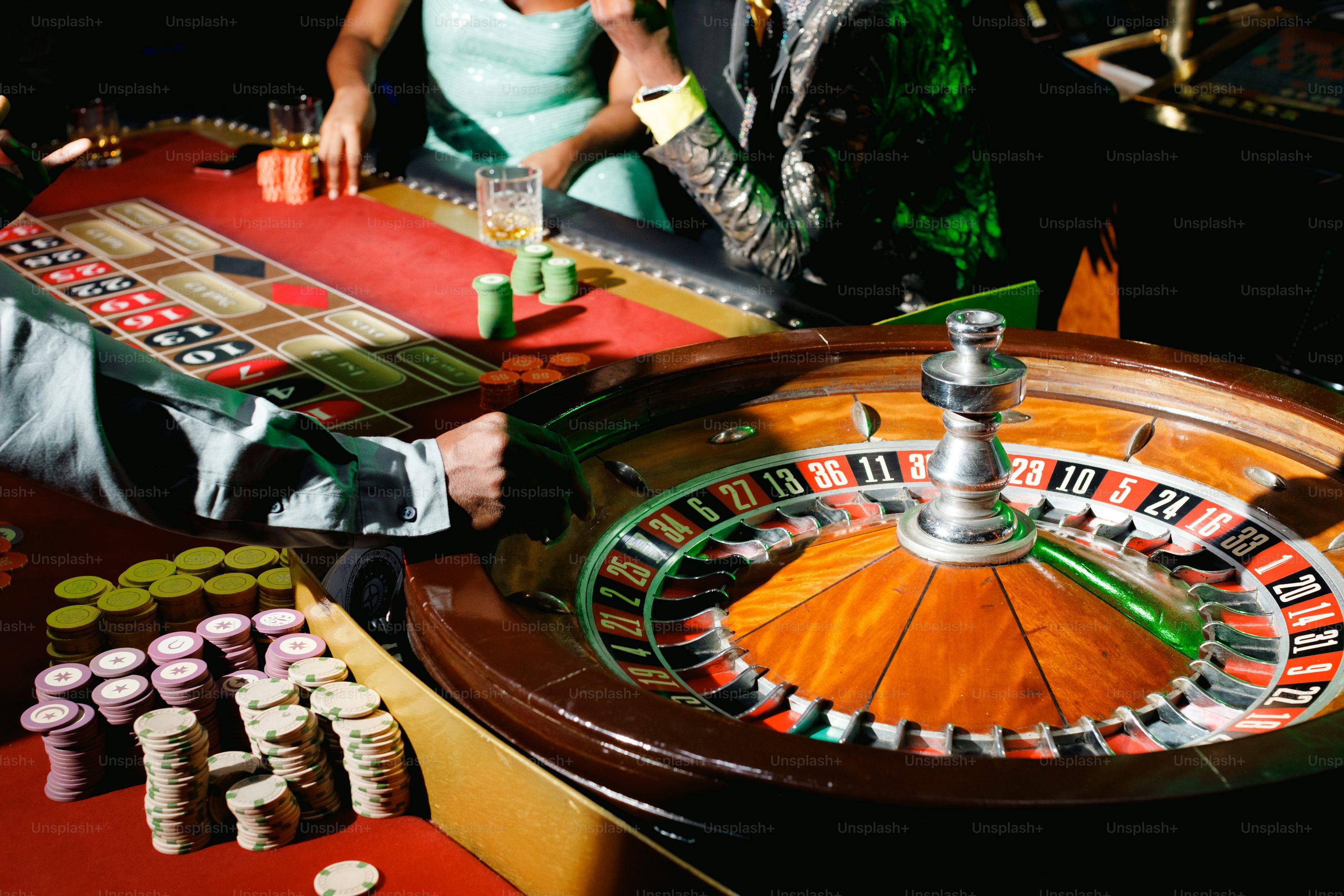
Cognitive biases significantly influence gambling behavior, often leading individuals to overestimate their chances of winning. For instance, the illusion of control encourages players to believe they can influence random outcomes, such as rolling dice or spinning a roulette wheel. This perception can lead to an increase in betting, as gamblers convince themselves that they are somehow “due” for a win.
Moreover, the concept of gambler’s fallacy perpetuates the belief that past outcomes can influence future events. This can result in players chasing losses or increasing their wagers after a series of losses, believing that a win is imminent. Recognizing these biases is essential for understanding gambling behaviors and developing strategies to promote responsible gaming.
The Impact of Social Influences
Social factors also play a crucial role in shaping gambling behavior. Many individuals are drawn to casinos not just for the games but for the social interactions they offer. The sense of community and shared experiences among gamblers can enhance the enjoyment of gaming, making it a more appealing activity. Furthermore, peer pressure may lead individuals to gamble more than they initially intended, as they seek acceptance or validation within their social circles.
Family background and cultural attitudes towards gambling can also influence individual behavior. In some cultures, gambling is celebrated and viewed as a legitimate form of entertainment, while in others it may carry negative connotations. Understanding these social dynamics is vital for grasping the complexities of gambling behavior in casinos.
Emotional Triggers and Their Consequences
Emotions are powerful motivators for gambling behavior. Many individuals turn to gambling as a means of escaping stress, anxiety, or boredom. The excitement and potential rewards can provide a temporary relief from life’s pressures, making gambling an attractive outlet for those seeking distraction. However, this reliance on gambling to manage emotions can lead to problematic behavior.
Moreover, the emotional highs associated with winning can be addictive, creating a cycle where individuals continually chase that euphoric feeling. Unfortunately, the lows that come with losses can be equally intense, leading to feelings of despair or frustration. Understanding these emotional triggers is essential for recognizing gambling patterns and promoting healthier coping strategies.
Finding Balance in Gambling Behavior
To cultivate a responsible approach to gambling, it is essential to recognize and understand the psychological factors at play. Awareness of the risks associated with cognitive biases, social influences, and emotional triggers can empower individuals to make informed decisions about their gambling habits. Establishing clear limits, seeking support, and focusing on entertainment rather than profit can foster a healthier relationship with gambling.
For those looking to enhance their gambling experience in a safe and enjoyable way, finding resources that promote responsible gaming is crucial. Understanding the psychology behind gambling behavior is a step toward creating a balanced approach to this popular activity, ensuring that it remains a source of fun rather than a pathway to addiction.